
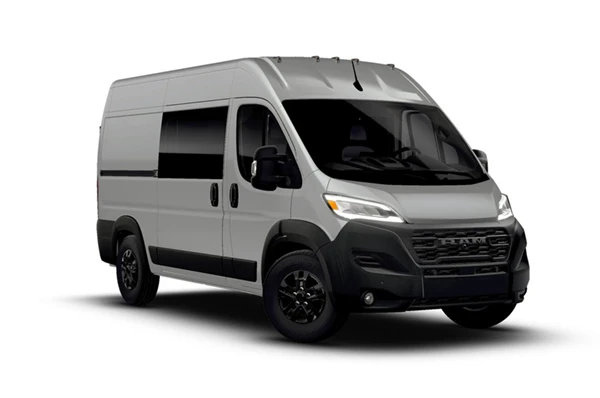
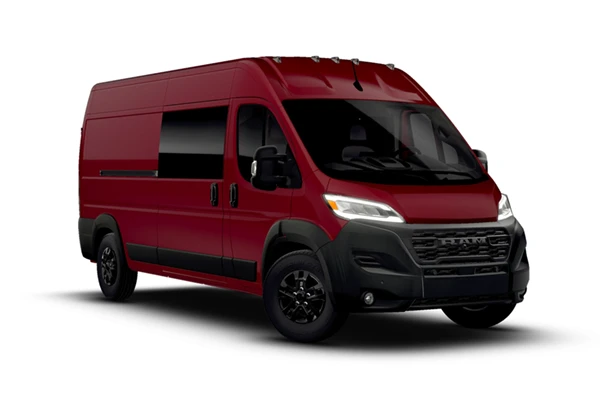
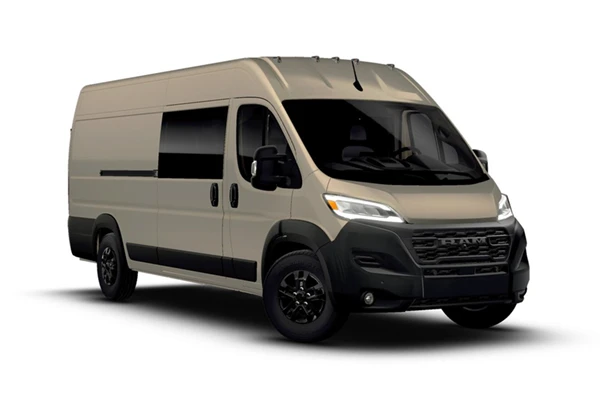
There is a particular kind of quiet that only shows up under a truly dark sky road trip. Not silence exactly, since the desert is never really silent, but the absence of glow. No sodium-orange dome smeared across the horizon, no porch light leaking through the trees, no phone screen yanking your eyes back down to your hands. Just the Milky Way arched overhead so bright it actually throws a faint shadow. And this slow, almost uncomfortable realization that this is what people saw every single clear night for most of human history. We lit the world up and traded it away without really noticing. Most of us have never once seen the thing our great-grandparents took for granted.
You have to drive to get it back. That is the whole story, really. The dark is still out there, but it has retreated to the corners of the map, and the only way to stand under it is to point the van at one of those corners and go on one of these dark sky road trips.
Here is the part nobody tells you up front: the drive is half of it. Maybe more. The dark-sky places worth chasing are not roadside attractions you pull off the interstate to photograph. They are at the end of long empty highways where the radio gives out and the towns get smaller and farther apart until they stop altogether. You watch the map empty out through the windshield over the course of an afternoon, fewer cars, fewer signs, fewer reasons for anyone to be out here at all.
Then the sun drops, and the difference shows itself. No glow on the horizon where a city ought to be. No orange smudge in any direction. Just dark coming down evenly all the way around you, and the realization that you are finally somewhere genuinely far from everything. That feeling, the getting-there, is its own reward. The sky at the end is the payoff. But the road is where the trip actually lives.
Summer is the season for this. From roughly May through September the bright core of the Milky Way climbs high after dark, and the nights stay warm enough that you can lie out for hours without your teeth chattering. The catch, and there is always a catch, is that the darkest places are by definition the most remote. Which is exactly where a self-contained van stops being a nice-to-have and becomes the entire point. You are not white-knuckling an hour back to some motel with your night vision torched by oncoming headlights. You park, you kill the lights, you give your eyes their twenty minutes, and you are already home for the night under the best sky most people will ever see in their lives.
And this summer there is one night that matters more than all the others. The Perseid meteor shower peaks the night of August 12 into the predawn of August 13. 2026 is a genuinely good year for it because the peak falls on a new moon. No moonlight at all to wash the show out. That is the best possible setup for a meteor shower, and it does not happen most years. Under a really dark sky you could be looking at anywhere from 50 to 90 or more meteors an hour, streaking across a Milky Way you can see end to end. If you do one trip this whole summer, build it around those days. I get into the how of it at the bottom.
List Disclaimer
Some of these dark sky road trips are officially certified International Dark Sky Parks, which means somebody with a light meter actually went out, measured the darkness, and signed off on it. Others carry no certification at all and are still spectacular, because getting certified requires a managing agency to do the paperwork, and plenty of staggeringly dark places out there simply never bothered.
I will tell you which is which. And on the Bortle scale, since it comes up the whole way through: it runs 1 to 9, where lower is darker. Your suburban backyard is probably a 6 or 7. Everything here is a 1, 2, or 3. For the certified parks those numbers are well documented. For the uncertified spots they are widely reported estimates that shift depending on exactly where you set up. We do not know everything, and the sky does not owe us a guarantee.
1. Great Basin National Park, Nevada
The darkest sky in the lower 48.
If you chase exactly one dark sky this summer, make it this one. Great Basin sits way out in the high desert of east-central Nevada, hours from any city big enough to matter, and the reputation is earned: this is a Bortle Class 1 sky, the darkest rating there is. On a clear moonless night you can pick out thousands of stars by eye, trace the actual structure inside the Milky Way’s core, and watch it lay a faint shadow on the ground at your feet. There is almost nowhere darker in the contiguous United States, and the drive out makes sure you feel every mile of how remote it is.
It is a certified International Dark Sky Park, and the park leans all the way into it. Rangers run astronomy programs through the summer in a dedicated amphitheater, and there is a real working observatory out here, the Great Basin Observatory, the only research-grade telescope facility inside a U.S. national park. The established pullouts to use are Mather Overlook and Wheeler Peak Overlook, both up on the Wheeler Peak Scenic Drive, and the elevation does you a favor by thinning the air and sharpening everything overhead. One thing to know if you are in a van: that scenic drive is seasonal, generally open from around late May through October depending on snow, and anything over 24 feet is not allowed past the Upper Lehman Creek Campground, because the road above that point gets narrow and steep and mean.
The Great Basin Astronomy Festival
If you can line it up, the Great Basin Astronomy Festival happens over a three-day weekend timed around September’s new moon, and it pulls in guest speakers and dozens of volunteer astronomers who haul serious glass out to the dark and let strangers look through it. For 2026 it is expected around September 10 to 12, but the park had not locked the schedule when I wrote this, so check the official park site before you commit. Get there early for the evening programs because they fill, and the campgrounds fill right along with them.
And the sky is honestly only half the reason to come. In the shadow of 13,063-foot Wheeler Peak you can walk among bristlecone pines that are 5,000 years old, the oldest non-clonal living things on the planet, trees that were already ancient when the pyramids went up. You can tour Lehman Caves in the daylight and be back out for the show after dark. There are five developed campgrounds (Lower Lehman Creek, Upper Lehman Creek, Wheeler Peak, Baker Creek, and Grey Cliffs), with Lower Lehman the only one open year-round, and the park grounds never close.
2. Big Bend National Park, Texas
Cosmic purity, if you are willing to drive for it.
Big Bend is the other real contender for darkest skies in the lower 48, and it has the receipts. The National Park Service has measured it as the least light-polluted national park in the contiguous states, Bortle 1 to 2, and it has held Gold-Tier International Dark Sky Park status since 2012. It also anchors the Greater Big Bend International Dark Sky Reserve, the biggest certified dark-sky reserve in the world, more than 15,000 square miles sprawled across Texas and into Mexico.
What makes it work is just how far from everything it is. The park hangs in the literal bend of the Rio Grande down in the far southwest corner of Texas, one of the least-visited parks in the whole system, with no town close enough to throw any glow worth mentioning. The drive in is a long one, and that is exactly why the dark holds. Elevation helps too: the park runs from around 1,800 feet down at the river up to 7,825 feet at Emory Peak, the highest point in the park, and the thinner air up high makes faint things jump out.
Most of the famous viewpoints string along the 30-mile Ross Maxwell Scenic Drive, Sotol Vista and Mule Ears and the mouth of Santa Elena Canyon among them, and the Park Service specifically sends stargazers to Sotol Vista for its wide-open horizon. Rangers run free night-sky programs through the season.
Think About the Weather
Now the honest part, because I am not going to sell you a postcard. Summer here is hot, and not in a polite way. Down along the Rio Grande the desert floor regularly tops 100 degrees from June through August. The trade-off is that summer is also peak Milky Way season, when the core arcs straight overhead and the dry air keeps the clouds away.
So the play is to stay up high where it is cooler, and to let the van carry the heat for you. This is exactly what an off-grid system like ours is built for: up to 1200Ah of battery to run the air conditioning, and solar on the roof topping that bank back up through the same blazing afternoon that is making you run it. You cool the cabin all day on sun and stored power, then coast into the night with the batteries still holding plenty for the show. Treat the temperature as the cover charge for one of the darkest skies on Earth. Top off your fuel every chance you get, carry way more water than you think you need, and do not count on your phone. There is basically no cell service anywhere in the park, which, honestly, is part of the appeal.
3. Cherry Springs State Park, Pennsylvania
The last great dark sky east of the Mississippi.
Everything else on this list is Western desert. Cherry Springs is here to prove you do not have to cross the Rockies to find a real sky. It sits at 2,300 feet on top of the Allegheny Plateau in Potter County, Pennsylvania, ringed by 262,000 acres of Susquehannock State Forest, and this little 82-acre park holds a Bortle 2 rating and Gold-Tier International Dark Sky certification, which is as high as that designation goes. On a clear night you can see something like 10,000 stars with your naked eye, and the Milky Way gets bright enough to cast a shadow. For anyone stuck in the Northeast corridor thinking truly dark skies are a plane flight away, it is about four and a half hours from New York City, and it is a revelation.
This place was built for the night, not just tolerant of it. It splits into two areas. The Night Sky Public Viewing Area is for casual stargazing, a few hours and out. The Overnight Astronomy Observation Field is for the serious crowd, with concrete telescope pads, electricity, and a hard ban on white light. The park lights are all shielded red, the power lines are buried underground, and the trees are deliberately placed to block stray glow from creeping in. Overnight users on the field register and pay a small fee.
Logistics
The rustic campground runs mid-April through late October, so summer is dead center in the season, but it is small and reservations matter in the busy months. Pack warm layers no matter what the date says, because that plateau turns cold after dark even in July. And bring a red flashlight, not a white one. White light wrecks the field for everybody, and they will let you know.
4. Joshua Tree National Park, California
Two deserts collide, and the sky watches.
Joshua Tree sits right on the seam where the high Mojave meets the low Colorado Desert, and the silhouettes of those twisted, shaggy trees against a field of stars are reason enough to point the van west. It earned International Dark Sky Park certification in 2017, at the Silver tier. It does run a little brighter than the truly remote spots on this list, call it Bortle 3 to 4, thanks to the glow of Southern California bleeding in from a distance, but here is the trade you are making: it is far and away the easiest world-class dark sky to reach from Los Angeles, San Diego, or Phoenix.
The western edge of the park catches real light pollution off the Coachella Valley, so for the darkest skies you want the eastern half. Head down Pinto Basin Road and set up somewhere between the Cholla Cactus Garden and Cottonwood, putting both distance and terrain between you and the crowded side.
Same caveat as Big Bend: this is a hot-summer desert, and the daytime highs will punish you if you show up unprepared. But the nights here shed the heat faster than Big Bend does, the drive in is a fraction of the effort, and there is something genuinely a little magic about watching the galactic core climb up behind a stand of Joshua trees that look like nothing else on Earth. Pick a new-moon weekend, let the solar keep the battery bank fed while you run the AC through the afternoon, and treat that window from sunset into full dark as the main event.
5. Valley of Fire State Park, Nevada
Sunset is just the beginning of the show.
An hour northeast of Las Vegas, Valley of Fire is Nevada’s oldest state park, named for the Aztec sandstone that lights up a deep, burning orange-red when the low sun hits it right. By day it is one of the most photogenic stretches of rock in the Southwest, all swooping red stone and a scenic road that twists through it like it was laid out by someone having fun. After dark, far enough from the Strip to shake the worst of the glow, it settles into a respectable Bortle 3 to 4 sky.
So, full disclosure, this is not a certified dark-sky park, and it is not the darkest spot on this list. The Vegas dome to the southwest is a real thing low on the horizon and I will not pretend otherwise. But a place does not need a certificate to deliver, and what sells this one is the whole package: a full day of genuinely surreal red-rock scenery, an easy approach straight off a major airport and interstate, and a night sky dramatically better than anything you will find within a hundred miles in most directions. Aim your eyes east and north, away from the city, and the Milky Way comes through clean. Think of it as the perfect opening act or warm-up on a longer dark-sky loop through the Southwest.
6. Moonscape Overlook, Utah
A landscape as alien as the sky above it.
This is the wildcard, the one for people who want the sky entirely to themselves and are willing to work for it. Moonscape Overlook sits on BLM land near Factory Butte and the town of Hanksville. It’s in south-central Utah, just off State Route 24 out in the Capitol Reef country. There is no formal dark-sky designation. No ranger programs. No facilities of any kind. What it has instead is genuine Bortle 2 darkness and a foreground that looks like the surface of another planet, gray rippled clay hills eroded into nothing, running right up to a cliff edge that drops away into empty air. Park at the rim, and after dark the whole thing goes immersive in a way that is hard to describe to someone who has not stood there. The Milky Way rises over ground that does not look like it belongs on this world.
This is the most demanding entry on the list, and you should treat it that way. But do not let it scare you off either, because we have had our own vans out here. When the roads are dry, getting in is genuinely easy, just slow. When they are wet is when it gets to be a real challenge, and that is the whole game out here. There are several approach roads off State Route 24, and they are not equal. The one we recommend for a van is the northernmost approach: Skyline View Road over to Moon Overlook Road. It is slow going either way, but it runs more gravel than the other routes and less of the slick clay that turns treacherous the moment it sees water.
Stop in Hanksville First
Beyond the road there is no water, no power, no cell service, and no help anywhere close. Hanksville is your last stop for fuel and supplies, so fill up there. This is a place for a self-contained rig and a person who is comfortable being off-grid. And check the forecast before you commit to that dirt, because the clay turns to grease the second a storm rolls through. And people do get stuck out here. It carries no dark-sky certification and it never will, because there is nothing out there to certify…which is the entire point of this dark sky road trip. Earn it, and you get one of the most surreal night-sky settings in North America with not another soul around.
How to Actually pull this off
Most of what separates a great dark-sky trip from a frustrating one comes down to two things: the moon, and your own light discipline. Get those right and the rest is just driving.
Chase the new moon. This is the biggest lever you have, by a mile. Even a half-lit moon flattens out the faint structure in the Milky Way and turns a stunning sky into a merely decent one. Plan your nights for the few days on either side of a new moon, and check the moonrise and moonset times while you are at it, because a moon that sets at 11 still hands you hours of true dark after. This year the calendar does the work for you: the August 12 new moon lands right on the Perseid peak, which is exactly why that weekend gets its own section below.
Let your eyes adapt, and then guard it. Full dark adaptation takes 20 to 30 minutes, and one careless glance at a white phone screen resets the whole clock to zero. Switch everything you can to red, headlamp and interior cabin lights included, and keep the screens off or on a deep-red night mode once you are set up. Your night vision is the most valuable piece of gear you brought, and it is the easiest one to ruin.
Go in summer, but respect the heat. The galactic core rides highest and brightest from late spring into early fall, which is the whole reason these are summer trips. The desert sites pay for that with real daytime heat, so the difference between savoring the night and just surviving the day comes down to power. A big battery bank, up to 1200Ah in our builds, paired with enough solar to refill it while you draw it down, lets you run the air conditioning straight through a 100-degree afternoon without a generator and without leaving to plug in anywhere. That is the quiet luxury of going off-grid: the heat stops being a problem you endure and turns into a non-issue you sleep right through.
Be self-contained. This is the part where the van quietly justifies itself. The entire logic of chasing dark skies in a van is that you never have to leave. The darkest spots are nowhere near lodging, and there is nothing worse than finally getting your sky and then breaking the spell with an hour of headlight-lit driving back to a bed somewhere. Park where you can see it. Sleep where you parked. Wake up to the same view.
The one night to plan around: the Perseids, August 12-13
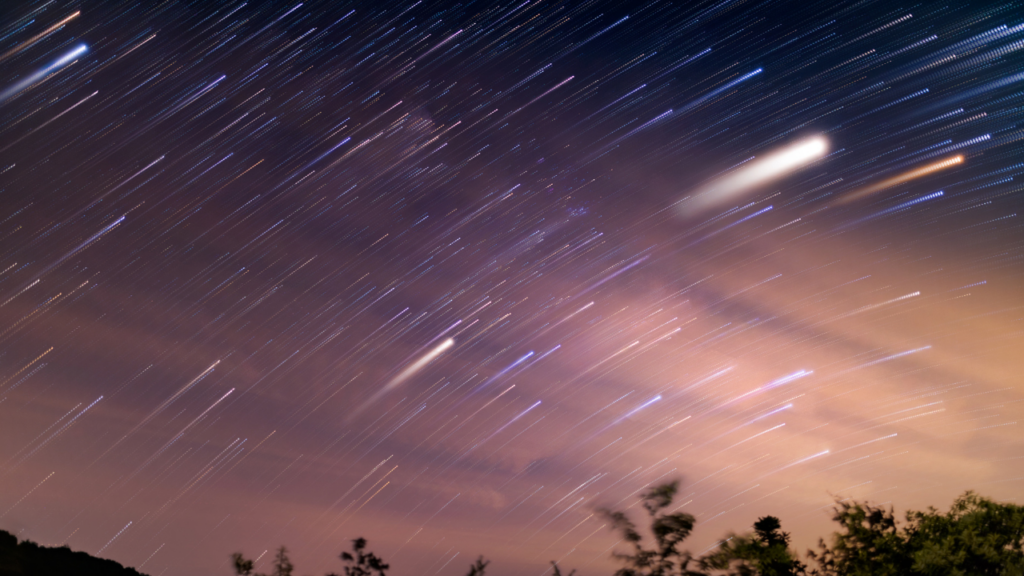
Of every sky event this summer, the Perseid meteor shower is the one to build a whole dark sky road trip around, and 2026 is a genuinely good year for it. The shower runs from mid-July into late August as the Earth plows through the dust trail left behind by comet Swift-Tuttle. It peaks hard the night of August 12 into the predawn of August 13. There is a reason the Perseids are the most beloved shower of the year: the meteors are fast and bright, they leave glowing trains hanging in the air behind them, and every so often one detonates into a fireball that lights up the whole landscape for a second.
2026 Meteor Shower, Specifically
What makes 2026 special is the moon, or rather the total lack of one. The new moon falls on August 12, the exact night of the peak, so there is essentially no moonlight to fight. That is the best lunar setup a meteor shower can get, and it does not line up most years. In 2027, for instance, a bright gibbous moon will drown out all the fainter meteors. The next strong dark-sky Perseid year after this one is not expected until around 2029. Under a real dark sky in 2026, realistic counts run from roughly 50 an hour up to 90 or more at the predawn maximum, the faint ones included, the ones moonlight normally erases entirely, all of it playing out against a fully visible Milky Way core. Every single place on this list gets dramatically better that one weekend.
One strange footnote worth knowing: August 12, 2026 also happens to be the date of a total solar eclipse, the path crossing Greenland, Iceland, and Spain. You will not catch totality from anywhere in the lower 48, so it does not change your night, but there is something quietly cosmic about an eclipse and a moonless meteor peak landing on the same square of the calendar.
How to get the most out of it:
Stay up for the predawn hours. The radiant, the point all the meteors seem to spray out from, sits in the constellation Perseus and climbs higher into the northeastern sky as the night wears on. The rates build after midnight and peak in the couple of hours around 3 to 4 a.m. when the radiant is highest. You will catch meteors from full dark onward, but the real show is for the people who stay up.
Do not stare at the radiant. This trips people up. The meteors can show up anywhere in the sky, they just trace back toward Perseus. So do not fixate on one patch. Lie back, take in as much of the dome as your eyes can hold, and let them come to you. A reclining chair or a foam pad on the ground beats craning your neck for three hours, trust me.
Leave the telescope in the van. This is a naked-eye event, full stop. Optics narrow your field of view and you will miss far more than you catch. The only gear that matters out here is something comfortable to lie on, warm layers for the predawn chill, and the patience to let your eyes fully open up to the dark.
Book early if your spot has limited sites. A moonless Perseid peak on a summer weekend is precisely when the popular dark-sky places fill up. Cherry Springs and the Great Basin campgrounds especially are worth locking down well ahead of time. The remote, undesignated spots like Moonscape Overlook are your hedge if everything formal is booked solid, since there is nothing to reserve and rarely anybody there anyway.
Dark Sky Road Trips You Need to Do This Year
If you only plan one dark-sky trip this whole year, make it this weekend. Point any of the six places above at August 12-13, get there a day early to scout your spot and start nudging your sleep schedule toward a very late night, and you will catch the best meteor display in years under some of the best sky in the country.
The reward at the end of all of it is simple, and almost impossible to oversell. Most people live their entire lives and never once see the sky the way it actually is. So drive far enough. Kill the lights. Wait for your eyes. It has been up there the whole time, waiting for you to get far enough out to notice.