



A Perfect Winter Escape
When most people think of national park road trips, their minds go west to Utah, California, or the Rockies. But Florida quietly offers one of the most unique and accessible National Park experiences in the country, especially during winter.
This one-week Florida National Park road trip blends subtropical wilderness, turquoise water, historic forts, and vibrant cities, all connected by relatively short drives and iconic coastal highways. From biking alongside alligators in the Everglades to snorkeling remote islands in Dry Tortugas, this itinerary delivers more than enough variety without feeling rushed.
If you’re looking for warm weather, fewer crowds, and the freedom to move between wild places and city comforts with ease, this is the road trip for you.
Route overview:
Miami → Everglades & Big Cypress → Homestead → Biscayne → Key West → Dry Tortugas → Key West → Miami (or continue north)
Why Florida Is One of the Best Winter National Park Road Trips
Florida’s dry season (roughly December through March) is when the state truly shines. Cooler temperatures, lower humidity, and fewer bugs make exploring the parks far more comfortable than during summer months. Wildlife is more active, trails are accessible, and water clarity is at its best.
What makes this route especially appealing:
- Three national parks that feel completely different from one another
- Minimal backtracking and manageable drive times
- A balance of wild ecosystems and iconic cities
- Warm-weather travel without cross-country mileage
At DM Vans, we’re drawn to trips like this because they highlight what slow, flexible travel can look like. It’s a mix of comfortable mornings, spontaneous stops, and the ability to shift from city streets to quiet coastlines without overplanning…all while working from the road if that’s the way you roll.
Florida National Parks Road Trip: At-a-Glance
- Total time: 7–8 days
- Best time to go: Winter (December–March)
- Starting & ending point: Miami
- National Parks and Sites visited:
- Everglades National Park
- Big Cypress National Preserve
- Biscayne National Park
- Dry Tortugas National Park
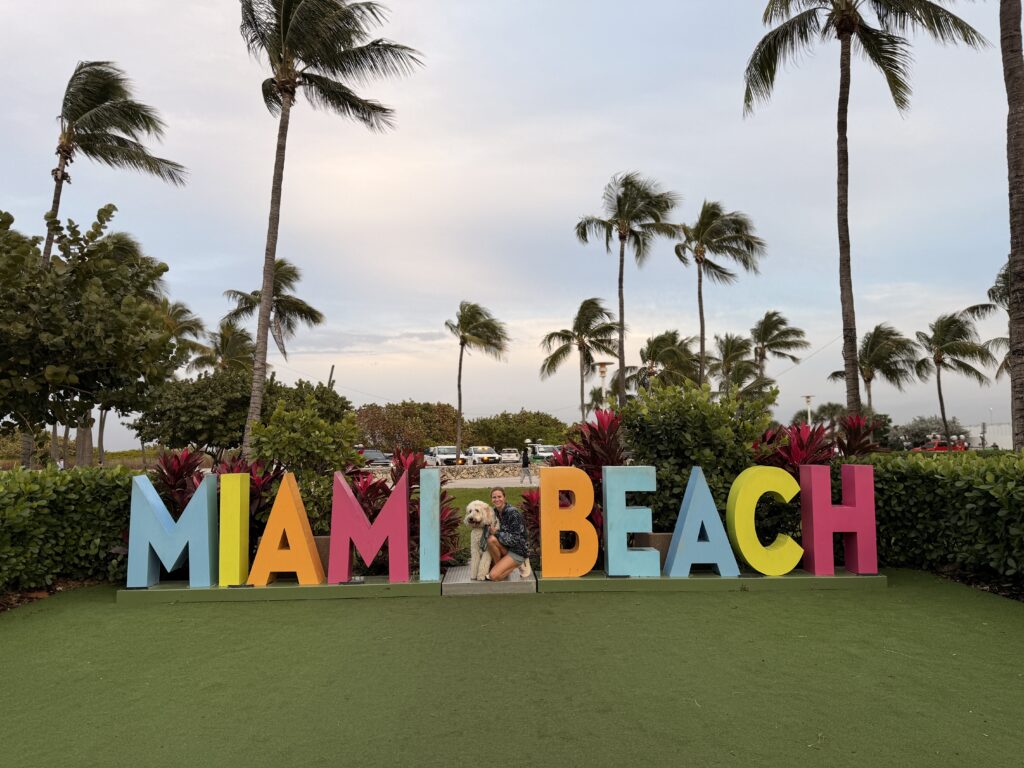
Day 1: Miami: Art, History, and the Atlantic Coast
Miami is more than just beaches. It’s a cultural crossroads shaped by Caribbean, Latin American, and coastal influences. Starting your trip here lets you settle in before heading into the wilder parts of Florida.
Wynwood: Art, Coffee, and Creative Energy
Once a warehouse district, Wynwood has become one of the largest open-air street art destinations in the world. Murals line nearly every block, constantly changing as new artists leave their mark.
Spend the morning walking the neighborhood, popping into galleries, and lingering over coffee. A few standout stops:
- Novela Café: cozy, creative, and perfect for a nice cup of coffee or to work a bit
- La Cervecería: a relaxed spot for great tapas and a cold one later in the day
- The Salty Donut: indulgent, rotating flavors that live up to the hype
South Beach: Classic Miami
South Beach is iconic for a reason. The pastel Art Deco buildings date back to the 1920s and 30s, and Ocean Drive still carries that old-school glamour. Walk the beach path, explore the historic district, and take in the Atlantic views. Check out the restaurants along the street and don’t forget to take some detours off of the main drag to get more of a “local” feel.
North Beach: Slower and More Local
North Beach offers a quieter alternative to South Beach. With fewer crowds and a more residential feel, it’s ideal for a sunset walk or low-key evening before leaving the city.
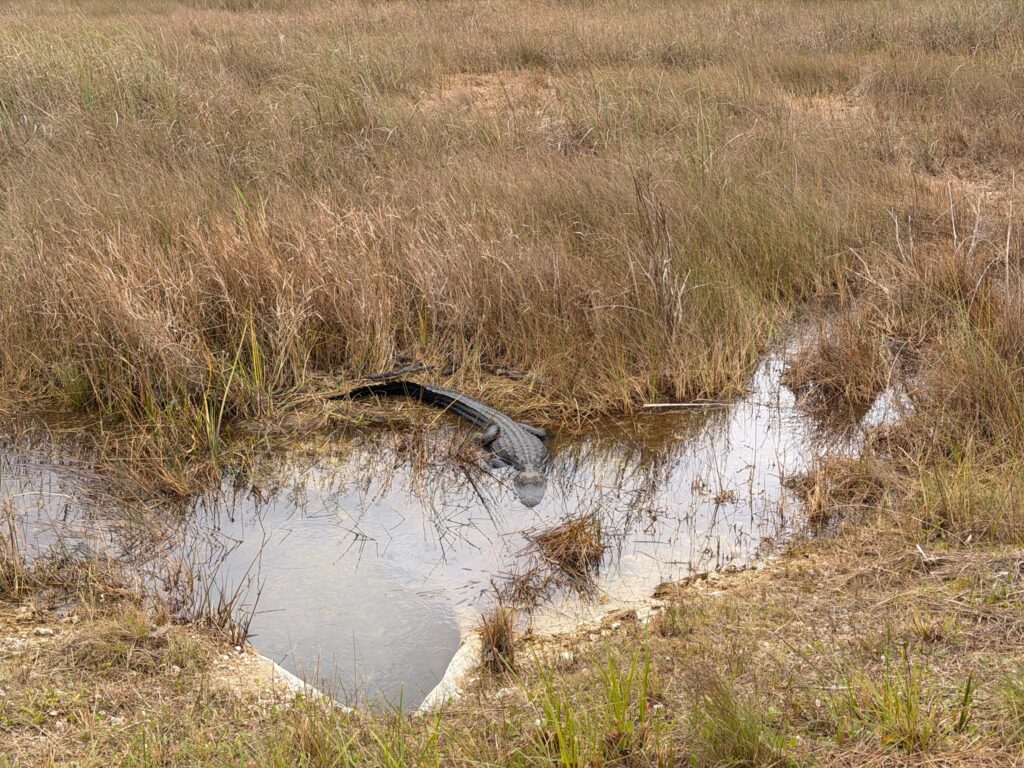
Days 2–3: Everglades National Park & Big Cypress National Preserve
At first glance, Everglades National Park and Big Cypress National Preserve can seem interchangeable. They sit side by side on the map, share wildlife, and are part of the same vast wetland system that defines South Florida. But experiencing both is essential to understanding the scale, complexity, and intent behind protecting this region.
The Everglades is the most recognizable face of this landscape. As a national park, it’s protected primarily for its ecological significance and biodiversity. Wide-open sawgrass prairies, elevated boardwalks, and interpretive trails make it easier to understand what you’re seeing and why it matters. This is where many visitors learn how water flows south through the state, how fragile the system is, and how closely wildlife, climate, and human impact are connected.
Big Cypress National Preserve tells a different, but equally important, story.
Rather than preserving the land by freezing it in time, Big Cypress was established to protect what already exists: the land, the ecosystems, and the people who have long lived and worked within it. Designated as a preserve rather than a park, it allows for traditional uses like hunting, ranching, and recreation while still safeguarding critical wetlands and wildlife corridors.
This approach acknowledges a reality unique to South Florida: wilderness and development aren’t neatly separated. Cities, roads, farms, and wild places overlap here, and Big Cypress acts as a buffer, protecting the natural systems that support both the Everglades and the surrounding communities. It plays a vital role in water storage and flow, helping sustain the ecosystem that stretches all the way from inland Florida to the coast.
On the ground, that philosophy translates into a noticeably different experience. Big Cypress feels quieter, more atmospheric, and less curated. Cypress domes rise out of shallow water, tree cover closes in, and night skies grow darker. There are fewer “must-see” stops and more room to simply be present and to slow down.
Together, they tell a more complete story of South Florida’s wild heart and why preserving it requires more than just boundaries on a map.
Everglades National Park
The Everglades is unlike any other national park in the U.S. Often described as a “river of grass,” it’s a vast subtropical wetland that supports everything from alligators and manatees to rare birds and orchids.
According to the National Park Service, the Everglades protects the largest subtropical wilderness in the country, making it a critical ecosystem as well as a fascinating place to explore.
Highlights in Everglades National Park
Before diving into activities, take time to understand the landscape: It’s flat, expansive, and deceptively alive.
Popular boardwalks and short trails include:
- Anhinga Trail: one of the best spots for close-up wildlife viewing
- Gumbo Limbo Trail: shaded, forested, and peaceful
- Pa-hay-okee Overlook: wide-open views of the sawgrass prairie
Shark Valley is a must. The 15-mile paved loop is ideal for biking and offers incredible opportunities to see alligators, birds, and wetlands up close without venturing deep into backcountry terrain. Plan to spend about 3 hours in this area.
Airboat Tours
Airboat rides are a classic Everglades experience. While touristy, they do offer a fast-paced introduction to the ecosystem. Well-known operators include those near the park’s northern entrances and along U.S. 41 (Tamiami Trail). If you go, aim for smaller-group tours for a better experience.
Big Cypress National Preserve
Big Cypress borders the Everglades but feels noticeably different. It’s quieter, less visited, and often more atmospheric. Cypress domes, dark skies, and fewer crowds make it a great contrast to the main park.
This area is ideal for slowing down. Focus on short walks, wildlife spotting, and appreciating how different ecosystems blend together across South Florida.
Day 4: Biscayne National Park: Where Land Meets Sea
Biscayne National Park sits just south of Homestead and is almost entirely water. Over 95% of the park lies beneath Biscayne Bay. Coral reefs, mangroves, and small islands define this park, making it feel completely different from the Everglades.
Even without a boat, Biscayne is still worth visiting.
Spend time at the Dante Fascell Visitor Center, walk the jetty trail, and take in views of the bay. If you want to get on the water, kayaking and snorkeling tours depart from nearby marinas and offer access to the park’s marine side. Make sure to plan ahead if you want to take one of these tours as they often sell out ahead of time.
Plan for half a day in this park unless you’re doing a guided tour, in which case you would need more time.
Day 5: The Overseas Highway to Key West
The drive from Biscayne to Key West is one of the most scenic road trips in the U.S. The Overseas Highway stretches across bridges like the iconic 7-Mile Bridge and islands, with ocean on both sides for long stretches.
Take it slow. Stop at beaches, scenic pull-offs, and roadside cafés. The journey is part of the experience.
Day 6: Key West: Culture, Coffee, and Coastal Nights
Key West has a personality all its own. Equal parts quirky, historic, and laid-back, it’s a place where time slows down.
Things to Do in Key West
- Walk Duval Street, the heart of the island’s energy
- Visit the Southernmost Point marker
- Explore Old Town’s pastel houses and narrow streets
Where to Eat & Drink
- Baby’s Coffee: a must-stop for a strong, well-crafted cup
- First Flight Island Restaurant and Brewery: often called the southernmost microbrewery in the continental U.S., perfect for an afternoon flight
- Sunset drinks along the waterfront at Mallory Square
Key West evenings are best spent wandering. There is plenty of live music to stumble upon, fun chatter coming out of bars, and shops around every corner.
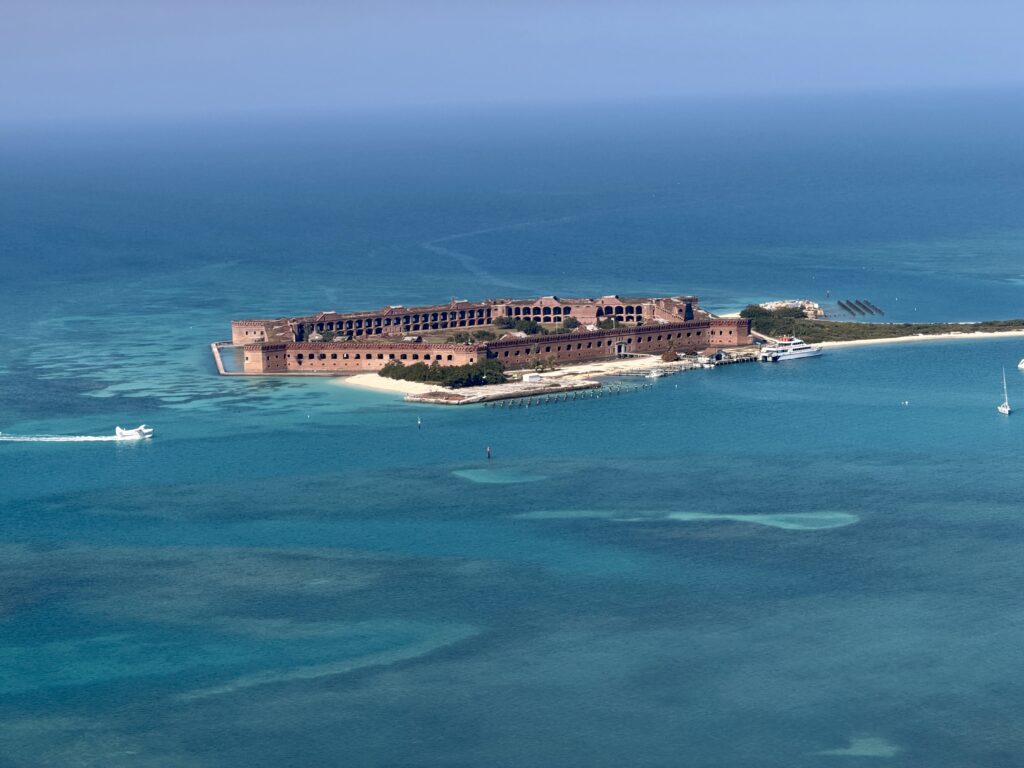
Day 7: Dry Tortugas National Park: A Remote Icon
Dry Tortugas is one of the most remote national parks in the country, located about 70 miles west of Key West. Accessible only by ferry or seaplane, it feels like stepping into another world.
The park is home to Fort Jefferson, a massive 19th-century coastal fortress surrounded by turquoise water where you can wander, snorkel, and learn about the history of the island.
What to Expect
- Snorkeling with exceptional clarity
- Exploring the fort’s history and architecture
- Quiet beaches with very limited crowds
This is a half- to full-day adventure and requires advance planning. but it’s one of the most memorable stops on the entire trip.
Make sure to plan your seaplane or ferry ride 4-6 months in advance of your trip to secure your spot.
Day 8 (Optional): Return to Miami
If time allows, returning to Miami for a final day helps break up the drive to where you’re going next and gives the trip a satisfying bookend.
Splitting Miami into two visits works well:
- Before the trip: Art, energy, exploration
- After the trip: Slower beaches and rest
North Beach is especially nice for easing out of travel mode.
A Florida National Park Road Trip That Balances It All
This Florida road trip proves that you don’t need mountains or deserts to experience a world-class national park adventure. With three unique parks, iconic cities, and warm winter weather, it’s one of the most approachable and rewarding routes in the U.S.
Whether you’re exploring in a camper van or planning a traditional road trip, this Florida National park itinerary offers flexibility, comfort, and unforgettable variety.
For more road trip inspiration and stories from the road, explore the DM Vans blog.