
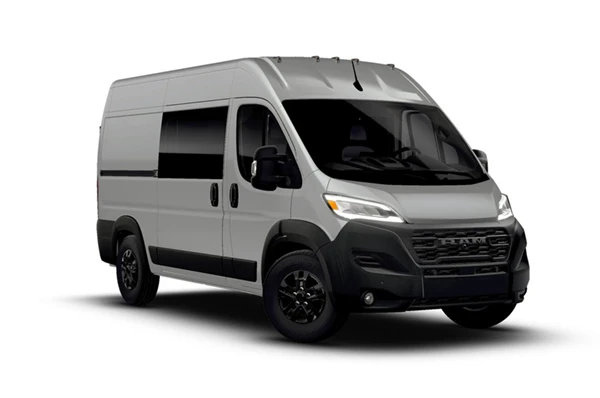
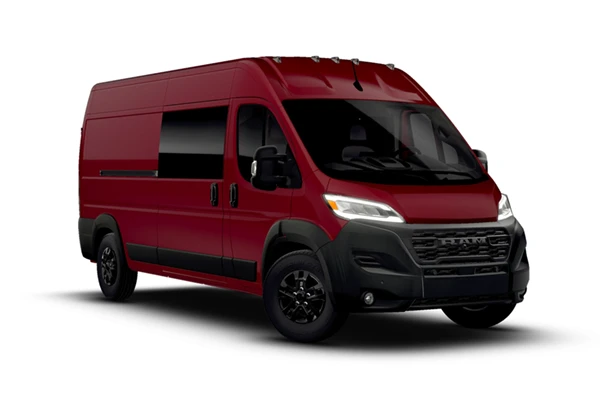
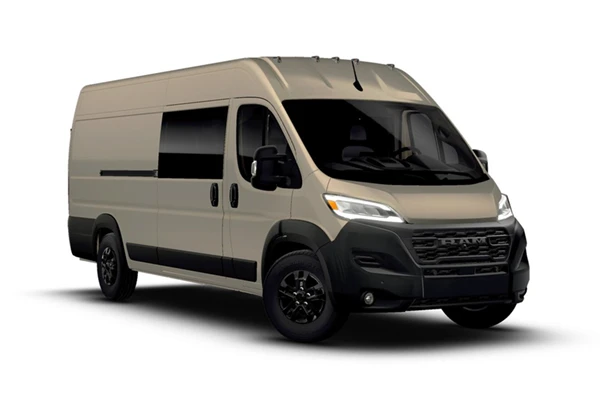
Tested to -40°F. Here’s everything you need to know about how it works.
──────────────────────────────────────────────────────────────────────
“Can I really use this van in winter?” Absolutely. DM Vans are designed for four-season use and have been tested by owners in some of the coldest conditions in the country. Here’s what makes it work.
Thinsulate Insulation On All Sides
Every DM Van is fully insulated with Thinsulate on all four sides. This means the floor, ceiling, and all walls. Thinsulate is lightweight, effective in thin layers, and performs well across a wide temperature range. Combined with the van’s sealed construction, it creates a well-insulated living space that retains heat efficiently.
The Peak Heating System
The Peak Heating System is the heart of winter capability. Here’s how it works:
• Runs directly off the van’s gas tank via a small 12-volt fan
• Uses approximately one cup of gas per day
• A full tank running the heater consistently would last about 30 days
• Thermostat-controlled so you can set your desired temperature and it maintains it
• No propane. No separate fuel source. No generator.
• Mounted under the floor behind the swivel seats
DM Vans owners have tested the Peak Heating System in temperatures as low as -40°F. With the heater running, interior temperatures stay around 64°F. Owners have run the heater for weeks straight without plugging in because it doesn’t pull too much power.
All-Internal Plumbing: No Winterization Needed
All water piping in a DM Van is internal. This means nothing runs through the outside of the vehicle. The 7-gallon fresh water tank and 7-gallon gray water tank are both stored under the kitchen sink inside the van. This means there’s nothing to freeze, nothing to winterize, and no exposed plumbing to worry about.
As long as the interior stays above freezing (keep the heater at approximately 42°F or higher when you’re away), your water system is protected.
However, if you plan to be away from your van and know it is going to drop below freezing inside, it is important to make sure you disconnect your water jugs from the pipes, let all water flow out of them, and keep the faucet handle open.
Cold-Weather Tips from Full-Time Owners
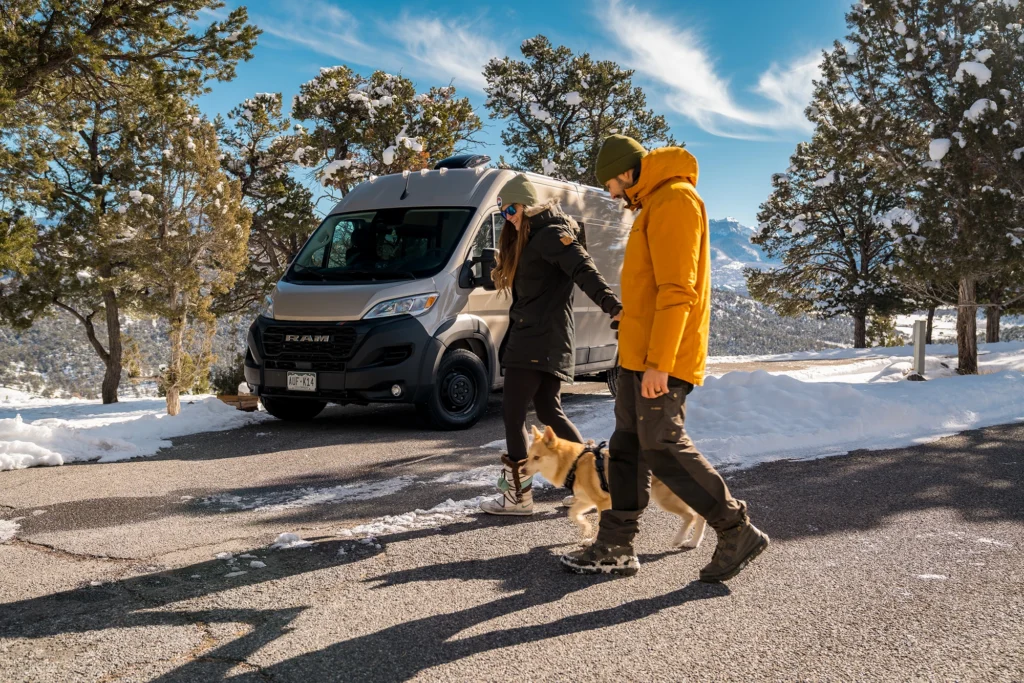
Winter vanlife can be one of the most rewarding times to be on the road. Winter vanlife is full of quieter places, snow-covered landscapes, and fewer crowds. But it also requires a bit more intention with how you do things and work with your systems in the van.
The good news: the systems in your van are designed to handle cold conditions, and with a few simple habits, staying comfortable (and functional) in winter becomes second nature. These are the tips we hear most often from full-time owners who regularly travel through colder climates.
Heater Settings
For optimal comfort and battery life, here’s what we recommend for your heater settings in the van:
• Sleeping: Set to approximately 58°F for comfortable sleeping without overheating
• Away: Set to approximately 42°F minimum to protect water and batteries from freezing
Battery in Cold Weather
Cold temperatures reduce battery efficiency and solar output. The 2026 models come standard with self-heating lithium batteries, which charge and perform well in cold temperatures where standard lithium batteries would struggle. It’s important to remember that driving recharges efficiently through the alternator, which is especially helpful during short winter days when solar is limited.
Tires
All-terrain tires or winter tires make a significant difference in snow and ice. They’re one of the most popular upgrades and are sometimes included in promotions. With the ProMaster’s front-wheel drive and the weight of the build over the front axle, good tires give you confident traction in winter conditions. We’ve both experienced and heard from owners how much of a difference the right tires make.
Gasoline Advantage
The ProMaster runs on regular gasoline, not diesel. This matters in winter because diesel fuel can gel in extreme cold, potentially leaving you stranded. Regular gasoline doesn’t have this problem. If you’re planning to spend time in cold northern climates, this is a meaningful advantage over diesel-powered van platforms.
Condensation Management
Condensation is a reality of cold-weather vanlife. This happens when the warm air you’re breathing as well as cooking meets cold surfaces and creates moisture. The two MaxAir vent fans help manage this by circulating air. Running one fan pushing air in and the other pushing air out creates effective ventilation even with the doors and windows closed. Cracking a vent fan on low overnight makes a noticeable difference with condensation as well.
Where DM Vans Owners Go in Winter
DM Vans owners regularly spend winters in Colorado, the Pacific Northwest, New England, the Upper Midwest, and across Canada. The combination of Thinsulate insulation, the Peak Heating System, internal plumbing, and self-heating batteries means the van handles winter as a core capability and not as an afterthought.
Questions About Winter Capability?
Schedule a free consultation call. Our sales ambassadors have personal experience living in and traveling in DM Vans through Colorado winters and can share real-world tips.